.svg)
Security & Fraud: Protecting Yourself from Credit Card Fraud

A practical guide from Bank of Brodhead to help you use your credit card with confidence.
Credit cards offer convenience, purchasing flexibility, and helpful protections—but fraud prevention starts with everyday awareness. Criminals may try to steal a physical card, capture card details online, impersonate a trusted organization, or trick consumers into sharing account information. The good news is that a few smart habits can greatly reduce your risk and help you respond quickly if something does not look right.
How to Protect Yourself from Credit Card Fraud
Protecting your credit card is about protecting both the physical card and the information connected to it. Keep your card in a secure place, review your account activity often, and avoid sharing your credit card information with anyone who contacts you unexpectedly.
· Use strong, unique passwords for online banking and shopping accounts.
· Turn on multi-factor authentication whenever it is available.
· Shop only on secure websites and be cautious about saving card information with online merchants.
· Inspect ATMs, gas pumps, and card readers for loose parts or unusual attachments before inserting or tapping your card.
· Review statements and account activity regularly so you can spot unfamiliar transactions right away.
What to Do If Your Credit Card Is Lost or Stolen
If your credit card is missing, act immediately. Contact the card issuer using the phone number on your statement, the official mobile app, or the official website. Reporting a lost or stolen card quickly helps prevent additional unauthorized charges and may limit your responsibility for fraudulent activity.
· Report the card as lost or stolen right away and request that it be locked, canceled, or replaced.
· Review recent transactions and identify any charges you did not authorize.
· Update automatic payments once your replacement card arrives.
· Keep notes of the date and time you reported the loss and any confirmation information provided.
· If you believe your personal information was also stolen, consider additional identity theft recovery steps.
Recognizing Credit Card Scams and Phishing Attempts
Scammers often pretend to be a bank, card issuer, delivery company, government agency, or well-known business. They may call, email, text, or message you on social media and urge you to click a link, verify your account, move money, or provide your card details. Be especially cautious if the message creates urgency, threatens consequences, promises a prize, or asks for confidential information.
· Do not click links or open attachments in unexpected messages about your credit card account.
· Do not provide card numbers, passwords, PINs, or verification codes to someone who contacts you unexpectedly.
· Check the sender’s email address and website carefully; scammers often use addresses that look similar to legitimate ones.
· If you are unsure, stop the conversation and contact the bank or card issuer directly using a trusted phone number or official app.
· Remember: pressure to act immediately is one of the most common signs of a scam.
Contactless Payments: Are They Safe?
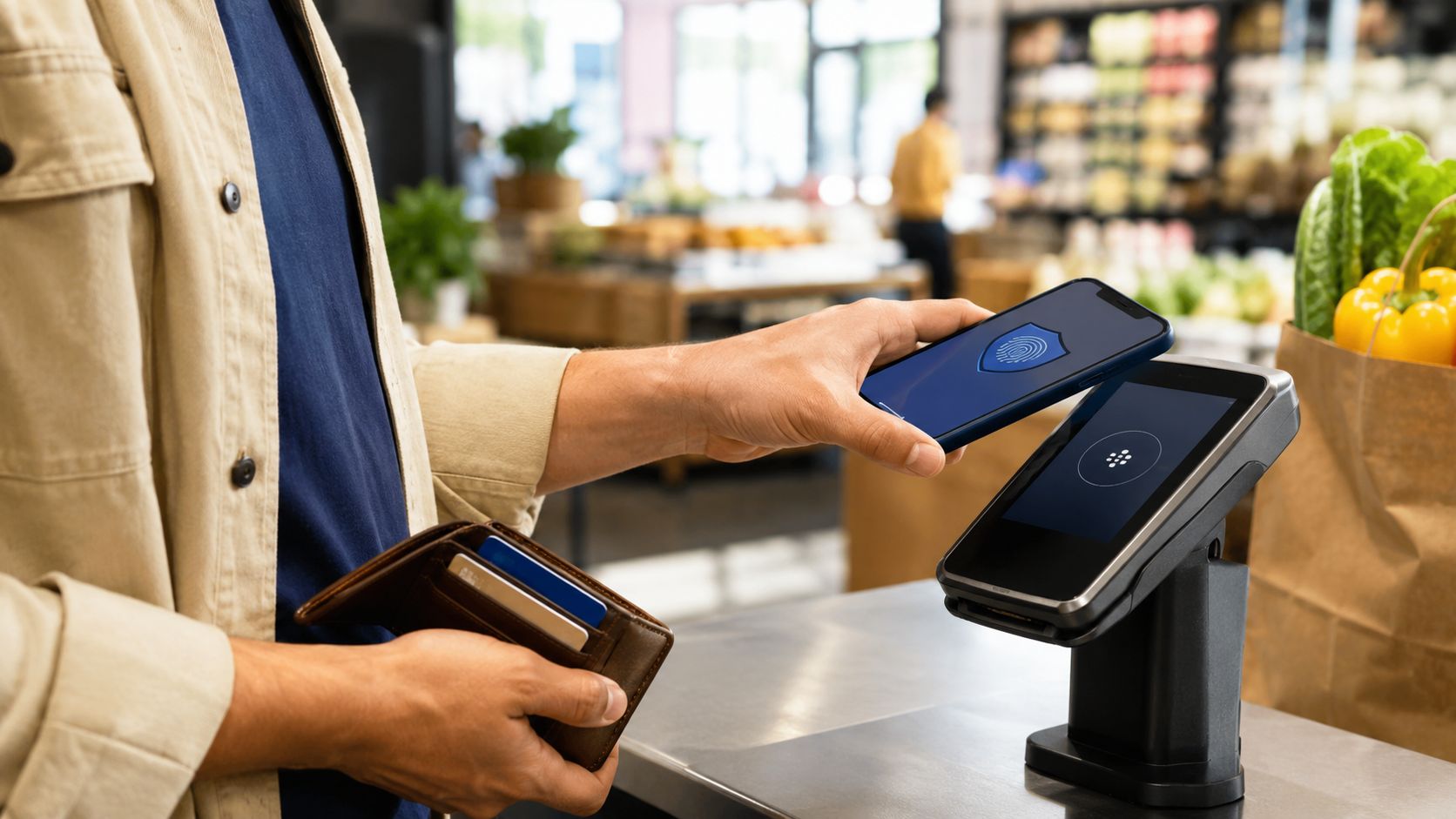
Contactless payments—such as tapping a card or using a mobile wallet—can be a secure way to pay. These transactions typically use security technology that helps protect your actual card number during payment. Mobile wallets may also require a passcode, fingerprint, or facial recognition before a payment is approved.
Even with these protections, it is important to keep your card and phone secure. Enable screen locks on mobile devices, avoid sharing device passcodes, and report a missing card or phone right away if it contains payment information.
How Credit Card Alerts Can Help Prevent Fraud
Account alerts are one of the simplest tools for spotting fraud early. Depending on your card features, you may be able to receive email, text, or app notifications for purchases over a certain amount, online or international transactions, card-not-present purchases, balance changes, payment due dates, and declined transactions.
· Set transaction alerts low enough that you will notice unusual activity quickly.
· Use alerts for online and card-not-present purchases, which are common targets for fraud.
· Keep your phone number and email address current so alerts reach you promptly.
· If you receive an alert for a transaction you do not recognize, contact your card issuer immediately.
Quick Action Checklist
· Review account activity often.
· Turn on credit card alerts.
· Report a lost, stolen, or compromised card immediately.
· Use trusted contact information—not links from unexpected messages.
· Keep passwords strong and unique.
· Be skeptical of urgent requests for personal or financial information.
Bank of Brodhead is committed to helping customers stay informed and confident when managing their money. If you ever suspect fraud or see activity you do not recognize, contact your card issuer or Bank of Brodhead promptly so the issue can be reviewed, and the appropriate next steps can be taken.
.svg)

